
This question has been explored endlessly in books, blogs, and psychological literature. Explanations exist everywhere. Yet knowing why people do this is very different from noticing how it happens in real life, quietly, almost automatically.
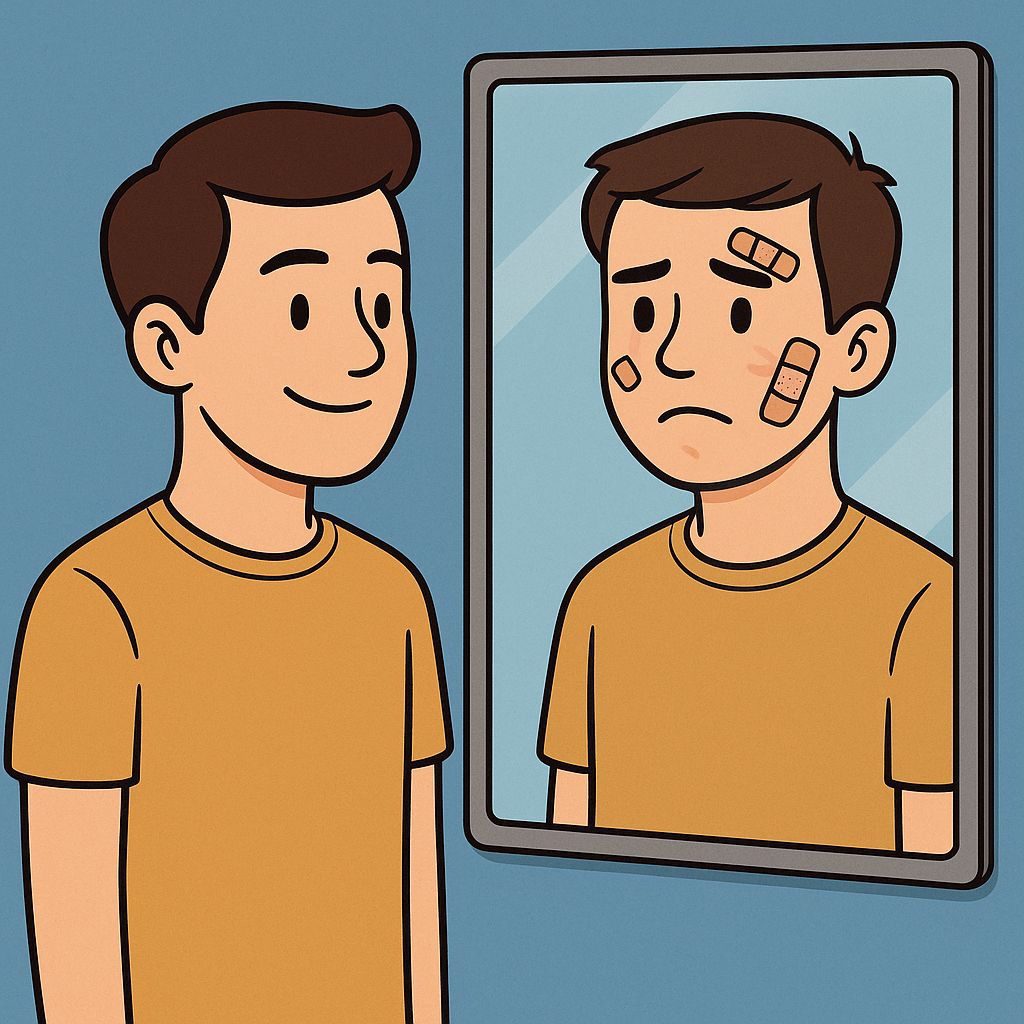
Some people don’t cry when they’re hurt. They analyze, they explain, they distance themselves from pain by turning it into logic. What looks like emotional strength is often emotional avoidance.
Freud’s View: Intellectualization as a defense
Sigmund Freud described intellectualization as a defense mechanism, one the mind uses when emotions feel too threatening to face directly. Instead of experiencing pain, the person shifts into thinking mode.
Pain becomes a concept rather than a feeling. Loss turns into a discussion about inevitability specifically when someone dies. By converting emotion into ideas, the ego protects itself from being overwhelmed.
From Freud’s perspective, this isn’t dishonesty, it’s survival. The mind is not denying reality; it is distancing itself from emotional intensity.
Cortical Override: When Thinking Suppresses Feeling
Modern psychology and neuroscience offer another layer of understanding through the idea of cortical override. This refers to the brain’s higher cognitive regions, especially the prefrontal cortex, overriding emotional responses from deeper, more instinctive areas like the limbic system.
In simple terms, thinking shuts down feeling. When pain arises, the brain prioritizes control. Analysis replaces emotion. Reason suppresses vulnerability. The body may still carry the stress, but the person remains emotionally detached.
This often happens in individuals who learned early that emotional expression was unsafe, discouraged, or ignored. Thinking became safer than feeling.
Why the mind chooses explanation over emotion?
Explaining pain gives a sense of control. Feeling pain requires surrender.
To feel is to risk being overwhelmed. To explain is to stay composed. Intellectualization and cortical override work together: one is psychological, the other neurological, but both serve the same purpose.
They protect the individual from emotional collapse, especially when the pain feels too large, too sudden, or too familiar.
The hidden cost of not feeling:
In the short term, this strategy works. It reduces anxiety and maintains stability. But over time, unprocessed emotions don’t disappear, they accumulate.
People who constantly explain their pain may struggle with emotional intimacy, feel disconnected from themselves, or experience delayed emotional reactions. Pain that isn’t felt doesn’t heal, it waits.
Freud believed that unresolved emotion eventually finds another outlet, through anxiety, physical symptoms, or emotional exhaustion.
A philosophical reflection:
This raises a deeper question:
Is understanding pain the same as healing it?
Explanation can illuminate, but only feeling allows release. When logic becomes armor, it protects but it also isolates.
Perhaps true healing lies not in choosing between thinking or feeling, but in allowing both to exist, without one silencing the other.

Rồng bạch kỉm, nghe quen quen ta. Hình như bữa trước có người bảo chơi cái này dễ trúng lắm. Phải thử mới được! Nhấp vào đây rồng bạch kỉm.
Fairplaylogin, they say? Let’s hope it lives up to its name. Fair play is all I ask for! Going to register and see if the odds are in my favor. Time to play ball, people! Visit fairplaylogin
Been playing on jl33 for a while now. It’s got its ups and downs, but overall a fun experience and worth a try if you’re looking for new slots